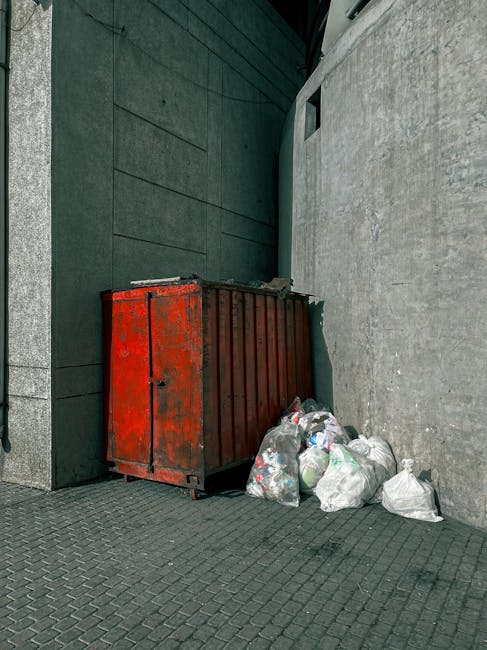
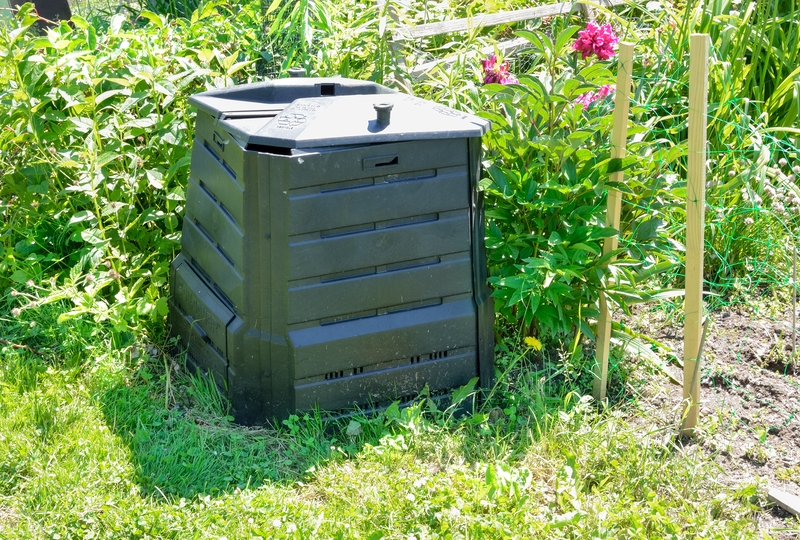
Garden Clearance in Docklands

Garden clearance in Docklands should leave outdoor space tidy, usable and ready for whatever comes next, whether that means a full seasonal reset, a one-off overhaul or the removal of awkward green waste after larger outdoor work. Our service focuses on clearing unwanted vegetation, bagged material, loose debris and other garden refuse from domestic and commercial outdoor areas, with practical attention to access, loading and tidy finish. The aim is straightforward: remove the waste sensibly and make the space easier to use again.
We handle mixed garden waste with care, including cuttings, branches, hedge trimmings, leaves, soil in limited quantities and general outdoor debris that has built up over time. Where items are too bulky for ordinary household disposal, we can manage the lifting and transport so the job is completed without the customer having to arrange multiple trips. If you are comparing garden clearance options, it helps to choose a service that is comfortable dealing with both light and heavy material rather than only routine green bags.
For a clear quotation, it helps to describe the volume, access and type of waste as accurately as possible. A quick inventory of what needs removing, plus a note on whether the material is piled, bagged or spread across beds and borders, usually makes the process easier. If you already know the areas that need attention, a concise message is enough to begin the conversation, and you can request a quotation when you are ready.
What our garden clearance covers
Garden clearance often needs more than a simple green waste pickup. Overgrown borders, broken plant supports, tangled clippings, weather-damaged branches and mixed outdoor clutter can all require careful sorting before removal. We work through these materials systematically, separating what can be cleared as garden waste from any items that need different handling. That approach helps prevent rushed loading and makes the finished area look properly dealt with rather than half-finished.
In practice, the work can range from collecting loose cuttings after pruning to clearing accumulated waste from a neglected rear garden, courtyard or communal outdoor area. Where access is tight, the method matters as much as the lifting. Narrow side passages, shared entrances and upper-level outdoor spaces often require carrying material in smaller loads, and that is easier to manage when the clearance plan is set out in advance. Careful loading also reduces the chance of scattered debris being left behind.
We can also help when the clearance forms part of a larger tidy-up. For example, old planters, damaged trellis, rotting timber from borders and mixed outdoor rubbish may sit alongside the organic waste. Rather than treating those pieces as an afterthought, it is better to identify them early so the removal plan fits the actual job. Garden clearance services are most useful when the scope is clear from the start and the result is a genuinely clean outdoor area.
Green waste, branches and bulky outdoor items
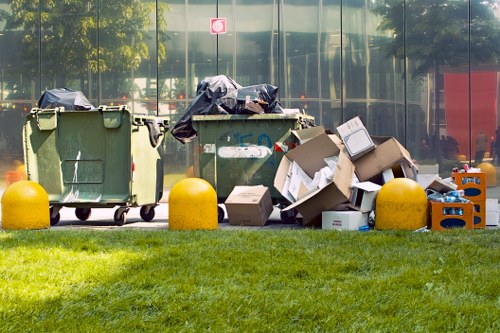
Not every garden job is limited to soft clippings. Branches, cut shrubs, root balls, broken fencing sections, old sheds in pieces and weathered outdoor furniture can all appear during a clearance. We can remove bulky material as part of the same visit where it is appropriate to do so, which avoids leaving awkward items behind once the green waste has gone. The important point is to match the disposal method to the kind of waste actually present.
Organic waste is usually easiest to move when it has been bundled or gathered into manageable piles, but that is not essential for every job. If the garden has become overgrown, we can work from the condition it is in and create order during the clearance itself. Sharp edges, unstable stacks and damp material are all easier to deal with when the loading sequence is planned sensibly rather than improvised on site.
For wider waste removal needs beyond the garden, some customers also look at related household items and larger mixed loads. Where that is relevant, it can be useful to compare the scope of waste removal with the more specific garden service, especially if the job includes both outdoor refuse and non-garden material. The best choice is the one that fits the waste type without overcomplicating the booking.
How the clearance is organised
Good organisation saves time and avoids confusion on the day. Before work begins, it helps to identify the parts of the garden that need clearing, note any access restrictions and flag anything that should be left alone, such as planted areas, retained materials or items awaiting reuse. A brief description is often enough for a quotation, but the more clearly the waste is grouped, the easier it is to estimate the work fairly. This is especially helpful when the site contains a mix of green waste and bulky items.
Where possible, the clearance should be arranged so that loadable waste is kept separate from items that need different handling. That is not always practical in a heavily overgrown space, but even a small amount of sorting can make the removal smoother. If you are planning around a renovation or landscaping change, make sure the team knows what is being kept so the remaining material is not accidentally treated as waste.
For customers comparing service pages, pricing and quotes can be a useful place to understand how a written estimate is usually framed. The main variables are normally the amount of material, how easy it is to carry, and whether the clearance includes only green waste or a wider mix of items. A careful description helps the quotation reflect the actual task rather than a rough guess.
When a full garden tidy-up is needed

Some outdoor spaces need more than a light sweep-through. After periods of neglect, poor weather or repeated pruning, a garden can accumulate layers of cuttings, pots, broken accessories and uneven piles of waste. A fuller clearance is about restoring usable structure to the space, not simply lifting a few bags. That can involve clearing from beds, paths, patios and corners where waste tends to collect unnoticed.
A full tidy-up is also useful before moving house, after tenant changeover or ahead of landscaping work. In those situations, the practical aim is to leave the outside area free of clutter so subsequent work can begin without obstruction. We can clear the waste itself and, where needed, remove items that no longer belong in the garden setting. The process is best when it is based on what is actually there, not on a fixed one-size-fits-all assumption.
If you are unsure whether your project fits garden clearance or something broader, it may help to look at home clearance as a comparison point. Outdoor jobs sometimes sit alongside other household clearances, but the handling, access and waste mix are different enough that the right category should be chosen carefully. A clear description of the materials usually settles the matter quickly.
Materials we can remove safely
Garden waste can include more than leaves and grass. Depending on the job, we may remove hedge trimmings, branches, roots, weeds, old compost, plant pots, damaged edging, timber offcuts, broken trellis and other outdoor debris. The key is to keep the focus on waste that genuinely belongs to the clearance and to avoid treating reusable or protected items as rubbish by mistake. Careful identification makes the removal more precise and avoids unnecessary disposal.
Some loads are mixed, and that is common in real garden work. A pile may contain both green waste and an item such as an old chair, broken planter or shed panel. In those cases, the handling should be based on the whole load rather than each piece in isolation, because the time needed to move and sort it is part of the job. A sensible clearance is one that deals with the full pile without creating avoidable delays.
Where customers also need to dispose of larger outdoor fittings, furniture disposal may be relevant for items that sit beyond ordinary garden waste. That is not a substitute for the garden work itself, but it can be useful when the outdoor area contains chairs, tables or other bulky pieces that have reached the end of their use.
Access, loading and site conditions
Access is often the part that changes a straightforward clearance into a more involved one. A garden reached only through a house, shared corridor, narrow side gate or basement route needs a plan that takes carrying distance and turning space into account. We do not assume every site is easy to load; instead, the quotation should reflect what is actually involved. That keeps expectations realistic and helps the work run smoothly.
Weather and site condition can also affect the pace of a clearance. Wet soil, slippery paving, broken steps, uneven ground and overgrown paths all make careful movement more important. If waste has been left in several separate areas, grouping it before collection may improve efficiency, but that depends on the layout. The most reliable approach is to describe the condition honestly so the work can be organised around it rather than discovered halfway through.
For customers who want a broader view of business practices and operational standards, insurance and safety explains the kind of precautions that support a careful removal service. Even when the actual waste is simple, safe lifting and controlled loading matter, especially in tight or cluttered outdoor spaces.
Preparing for a quotation
Quotation requests are usually more accurate when they include a few practical details. A short message about the type of waste, approximate volume, access conditions and whether the material is bagged, loose or already stacked gives enough context for a meaningful estimate. If there are items that must stay in place, mention those as well. This avoids confusion and helps keep the scope of work focused on the actual clearance required.
Photos can be useful, especially where the garden has several separate waste piles or where access is tight. They do not need to be staged or edited; simple images that show the overall layout and the main materials are generally enough. If the job is time-sensitive, it is still worth keeping the description accurate rather than brief to the point of being unclear. The goal is a quotation that matches the waste, not a rough guess that needs revising later.
When you are ready to move ahead, contact us with the details and ask for a quotation. A clear enquiry makes it easier to respond with something practical and relevant, whether the clearance is a small tidy-up or a more involved removal of mixed outdoor waste.
About Docklands
Docklands in east London is a modern name for the redeveloped docklands area that stretches across parts of the Isle of Dogs, Poplar, Limehouse, Blackwall and neighbouring riverfront districts. Its history is closely tied to the Port of London, especially the networks of docks, wharves, basins and warehouses that expanded rapidly during the nineteenth century. When commercial shipping declined and much of the dock system closed in the twentieth century, large areas were left underused before later regeneration reshaped them into a mix of housing, offices, retail, transport links and waterside public realm. Canary Wharf is now the most widely recognised focal point, but the wider Docklands landscape still includes older industrial traces alongside new towers, residential developments and landscaped routes. The River Thames remains central to the area’s identity, with water, bridges and dock edges giving it a clearly defined geography that feels different from inland parts of the boroughs around it. Public transport has also become part of the place’s character, with the Docklands Light Railway, the Jubilee line at Canary Wharf and several river crossings linking the area to the rest of London. Parks, promenades and basin-side paths soften the hard edges of the built environment, while museums, business districts and remaining historic structures show how the area combines maritime heritage with contemporary urban life. As a result, Docklands reads as a place of contrasts: former dock infrastructure, modern glass architecture, residential islands and open water sitting close together in a landscape that has changed repeatedly over two centuries.
Tailored clearance for different outdoor spaces

Outdoor clearances are rarely identical, even when the waste looks similar at first glance. A small back yard, communal courtyard, roof terrace or storage space behind a commercial unit each creates its own handling requirements. The arrangement of the space, the amount of carrying needed and the kind of debris present all influence the best way to clear it. That is why a service built around simple descriptions and flexible loading is usually more effective than a rigid template.
We can adapt the clearance to the site rather than forcing the site to fit the service. For instance, a patio with scattered plant waste may need a lighter approach than a long-neglected strip of ground with heavier piles, while a garden containing a few bulky items may need more attention to lifting than sweeping. If you are deciding between a narrow clearance and a broader outdoor tidy-up, think about what should remain behind after the waste is gone.
For households with other rooms or storage areas to sort at the same time, flat clearance may be worth considering alongside the outdoor work. It is a separate service, but it can be relevant where garden waste is only one part of a larger move-out or clean-up plan.
Related removal options
There are occasions when garden waste is only one part of the job and a wider removal service makes better sense. That may be the case if the site includes broken indoor items left outside, redundant furniture, general clutter from a clean-out or other mixed loads that are not purely green material. Choosing the most appropriate service helps the quotation stay accurate and avoids unnecessary duplication of effort.
Where the waste is mostly domestic and not limited to the garden, a more general clearance option can sometimes fit better than a specialist outdoor job. Conversely, if the task is focused on branches, clippings and garden debris, the dedicated outdoor service is usually the cleaner solution. The aim is not to bundle everything together, but to match the service to the waste so the removal is completed in one coherent visit.
Some customers also review house clearance when planning a larger declutter. That does not change the outdoor focus here, but it can help when garden waste is part of a move, renovation or property handover and other areas need attention too.
Simple steps that make the job easier

There are a few practical steps that help a clearance go smoothly without turning preparation into a chore. First, gather waste into obvious groups if that can be done safely. Second, leave access routes clear where possible so carrying is straightforward. Third, separate anything you want to keep from items that should go. These small actions improve clarity and reduce the chance of mixed messages when the team arrives to remove the waste.
It also helps to state whether the material is dry, damp, bagged, loose, heavy or spread across several locations. That detail is more useful than a vague summary because it affects loading time and handling. For larger jobs, a short list can be better than a long explanation, provided it includes the main waste types and any access issues. Clear instructions support a better quote and a smoother collection.
If you would like to move on with the arrangement, request a quotation and we will take the details from there. For broader information about our general standards and disposal approach, recycling and sustainability is a useful page to read alongside the service details when you want a clearer picture of how waste is handled.